For example, when you reach for a hot cup and immediately pull it away, or when someone suddenly calls your name, you look back – how do these reactions happen so quickly? An extraordinary organ of our body, which is called the nervous system, works behind all this. It sends signals to different parts of the body to control various physical and mental functions. Let’s discuss its various aspects.
Definition
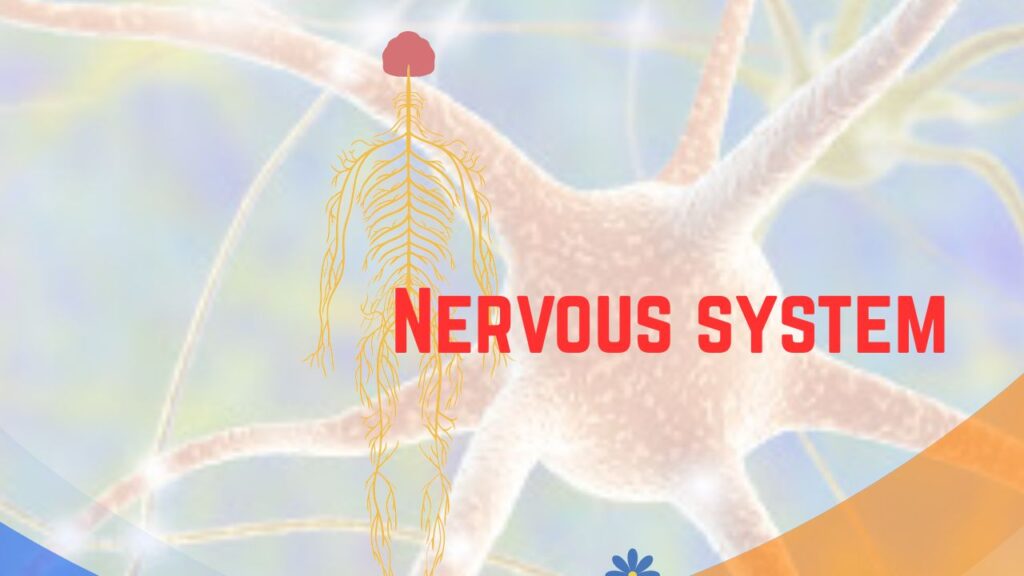
The nervous system is the body’s primary communication and control system. It is composed of the brain, spinal cord, and nerves. This system controls our automatic actions like thinking, feeling, moving, and even breathing.
Main Organs of the Nervous System
1. Brain: This system is the master regulator, where decisions are made, memory is stored, and emotions are formed.
2. Spinal cord: The spinal cord is the path of information exchange between the brain and other parts of the body.
3. Nerves: These wire-like structures carry information from all parts of the body to the brain and carry instructions from the brain to the body.
4. Sensory Organs: Sensory organs are the organs of our body that receive information from the external environment. Eyes, ears, nose, tongue, and skin – these five organs help us see, hear, smell, taste, and touch.
How it Works
Now we will see how our nervous system works, in seven steps.
1. Receiving Information: The senses collect information from the external and internal environment.
2. Sending information: Nerves send that information to the brain.
3. Analysis: The brain and spinal cord analyze the data and understand what is happening.
4. Decision Making: After analyzing the information, the brain decides what to do.
5. Sending feedback: According to the decision, the nerve again sends instructions to the specific part of the body to respond.
6. Execution of work: Muscles or organs act on instructions (for example: moving hands, talking).
7. Automatic control: Breathing, heart rate, digestion, and various other functions are carried out automatically by the nervous system.
Common Problems
1. Migraine or headache: Remember, migraines are much more painful than a typical headache, with a sudden onset of severe pain, blurred vision, and increased sensitivity to light. Many people experience nausea.
2. Insomnia: If we do not sleep properly at night or wake up frequently, it is called insomnia. Both body and mind are tired. The mind does not want to work properly, and if it persists for a long time, it can lead to stress or other physical problems.
3. Stroke: A stroke occurs when blood flow to the brain stops or bleeds. In this condition, one side of the body suddenly becomes paralyzed, speech becomes slurred or vision problems occur. Serious damage can occur if not treated quickly.
4. Parkinson’s disease: Due to nerve damage in this disease, body movements gradually weaken. Shaking hands and feet, walking slowly, slurred speech. It is usually more common in the elderly, and gradually, the patient’s normal life becomes difficult.
5. Nerve weakness: This problem causes tingling, numbness or burning in the hands and feet. Sometimes it is difficult to do even small tasks.
6. Anxiety and depression: Anxiety means worry for no reason, and depression means feeling very depressed. Both problems have a profound effect on the mind, leading to reduced sleep, reduced appetite, and decreased interest in work.
7. Amnesia: With amnesia, people gradually lose their memories. Forgets speech, thoughts, even acquaintances. It is commonly seen in the elderly, such as Alzheimer’s disease. Good care and emotional support are essential.
Cause of Problems
- Excessive stress and anxiety
- Lack of sleep
- Lack of Vitamin B, Omega-3
- Prolonged illness
- Virus or infection
- Congenital problems
- Head or spinal cord injury
- Drugs and addictive substances
- Avoid exposure to toxic substances such as lead or mercury.
Symptoms
- Headache or migraine
- Limbs or numbness
- Problems remembering or concentrating
- Imbalance
- Sleep problems
- Excessive anxiety or depression
- Slurred or slurred speech
Natural Solutions/Tips/Remedies
- Ensuring 7 to 8 hours of sleep daily,
- Do rice and breathing exercises,
- Eat foods rich in Omega-3 like nuts, fish, etc.
- Drink enough water,
- Reduce screen time,
- Stay socially connected. (E.g. – Laughing, Joking, Talking, etc).
- Exercise,
- Read books, listen to music, walk to reduce stress.
Did you Know?
- Our brain is made up of about 8,500 crore neurons,
- The brain never sleeps,
- The speed of message movement through neurons is about 350 kilometers per hour,
- The nervous system is the control system of the body,
- Our spinal cord is the communication highway of the body.
- Human brain is faster than a computer,
- The brain is about 2% of total body weight,
- The brain is about 75% water,
- A person thinks about 60,000 times a day.
- The storage capacity of the human brain is estimated to be about 2.5 petabytes.
Conclusion
The nervous system is the regulator of all the functions of our body. If it doesn’t go well, it affects not only physical but also mental health. So we should keep the nervous system strong and healthy with some good habits every day. Such as – sleep, food, exercise, and mental peace – only by keeping an eye on these four things, it is possible to be free from many problems. Take care of your brain and nervous system as much as you love your body – because that’s where your “you” begins.
Caution: This information is shared for general awareness and educational purposes. Everyone’s body is different, so if you have ongoing concerns, it’s always a good idea to consult a healthcare professional. Use this information mindfully.