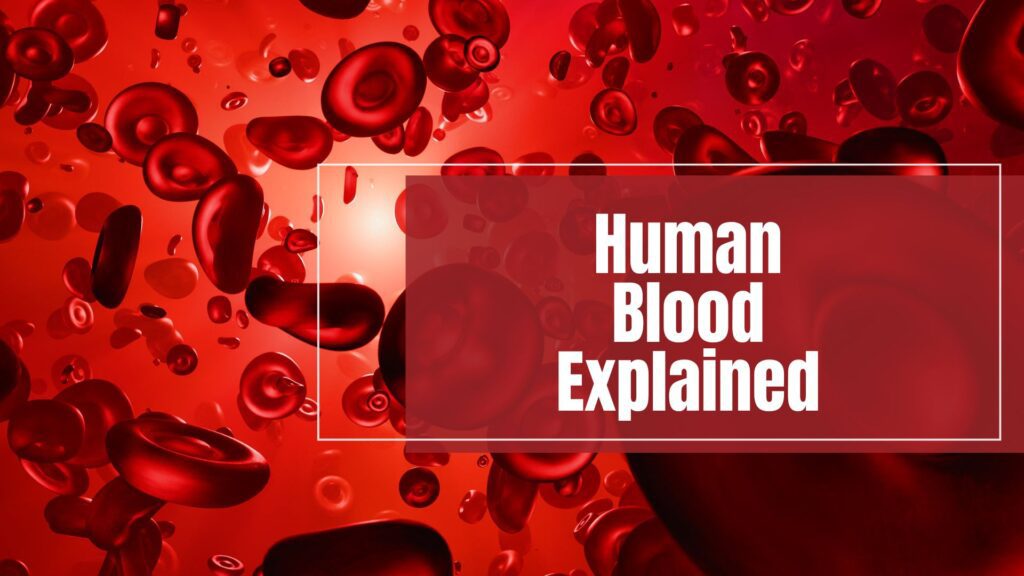
Human blood is one of the most important components of the human circulatory system. Without blood, no part of the body can function properly. It carries various elements in every tissue of the body such as oxygen, nutrients, hormones, vitamins, antibodies, electrolytes, and heat. They also remove waste products and carbon dioxide from the body. This is why blood is called the life stream. (Source)
In this article, we will learn about the structure, function, and more things, including how to naturally maintain healthy blood.
What's the Blood?
Blood is a fluid that flows from the heart throughout the body. It basically consists of four components and each component has a different function.
Process of Blood Production
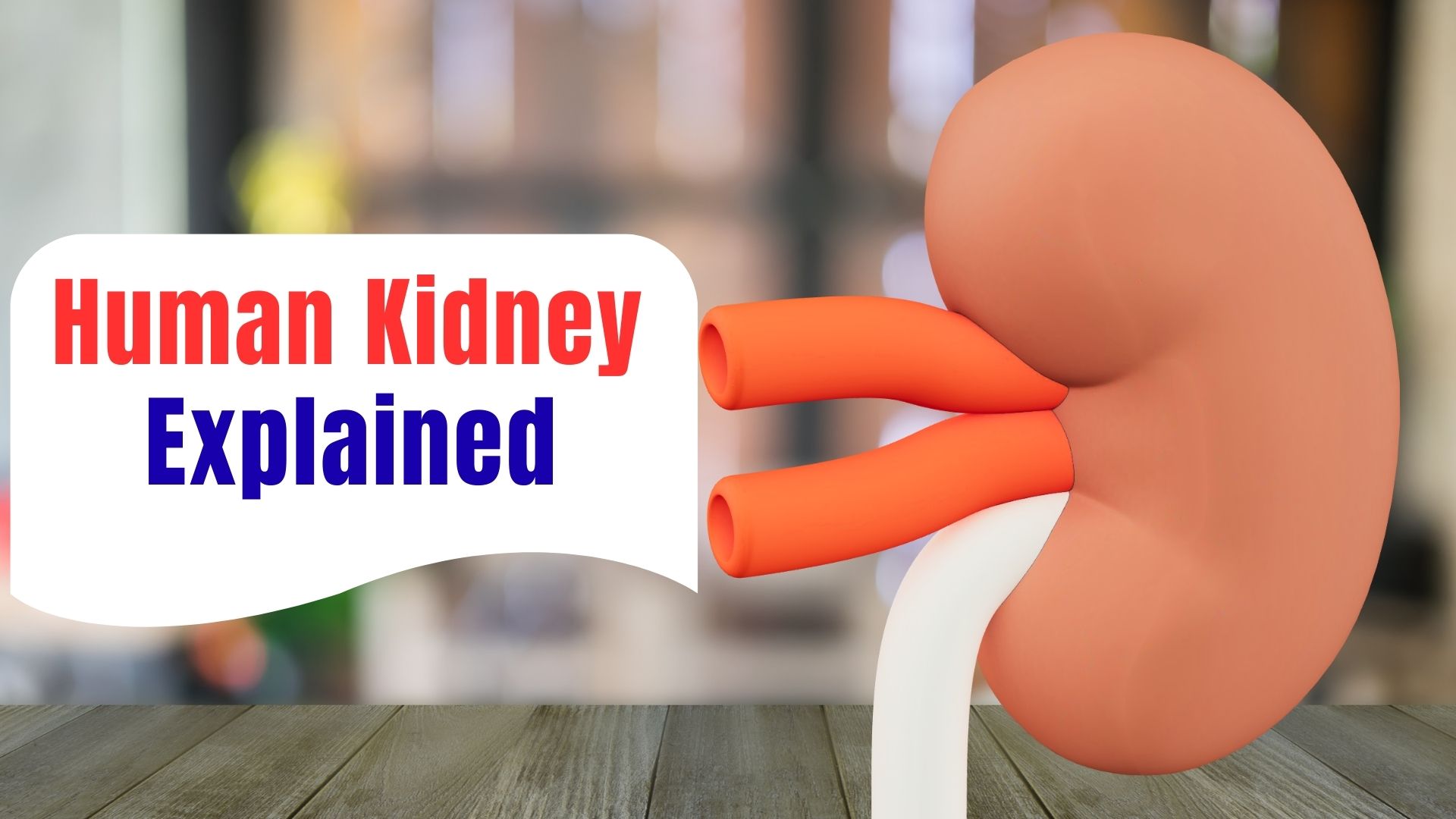
Blood is produced in the bone marrow. The process of blood formation in the human body continues all the time. This process is called hematopoiesis. Bone marrow contains specialized stem cells that produce red blood cells, white blood cells, and platelets. When the amount of oxygen in the body decreases or the need for blood increases, the kidneys release the hormone erythropoietin, which signals the bone marrow to specifically increase the production of red blood cells.
Some of the places where blood is produced:
- Spine
- Spinach
- Hip bone
- chest bone
Components of Blood
- Red blood cells (about 44%): Red blood cells (RBC) make up about 44% of the blood. Its main function is to deliver oxygen to different parts of the body. It contains haemoglobin, which gives red colour to the blood.
- White blood cells (< 1%): White blood cells (WBC) act as the body’s defence system. It fights against bacteria, viruses and other harmful germs.
- Platelets (< 1%): Platelets help in blood clotting. If there is a cut or injury anywhere in the body, the platelets start working quickly and stop the bleeding.
- Plasma (about 55%): Plasma is the liquid part of the blood, making up about 55% of the total blood. It contains about 90% -92% of water, proteins, hormones, glucose, electrolytes and waste products. It carries nutrients, hormones and proteins and transports them to different parts of the body.
Functions of Blood
Human blood performs many important functions in our body, such as:
- Delivers oxygen to the body’s cells
- Transportation of nutrients
- Removal of carbon dioxide and waste
- Regulates body temperature
- Boost your immune system
How It Works
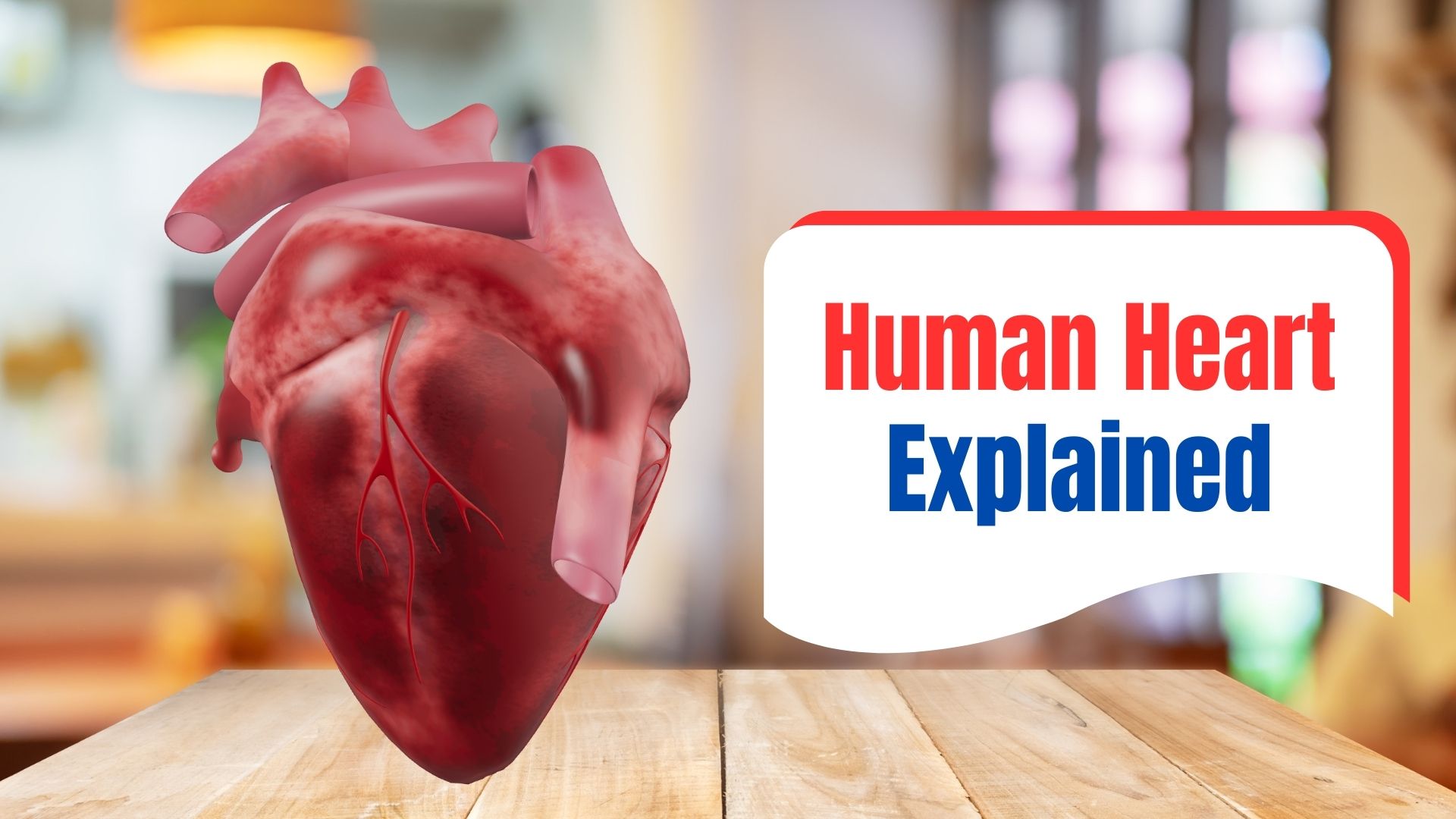
Human blood acts like a transport system in our body. The heart pumps blood throughout the body through the arteries.
Stages of work:
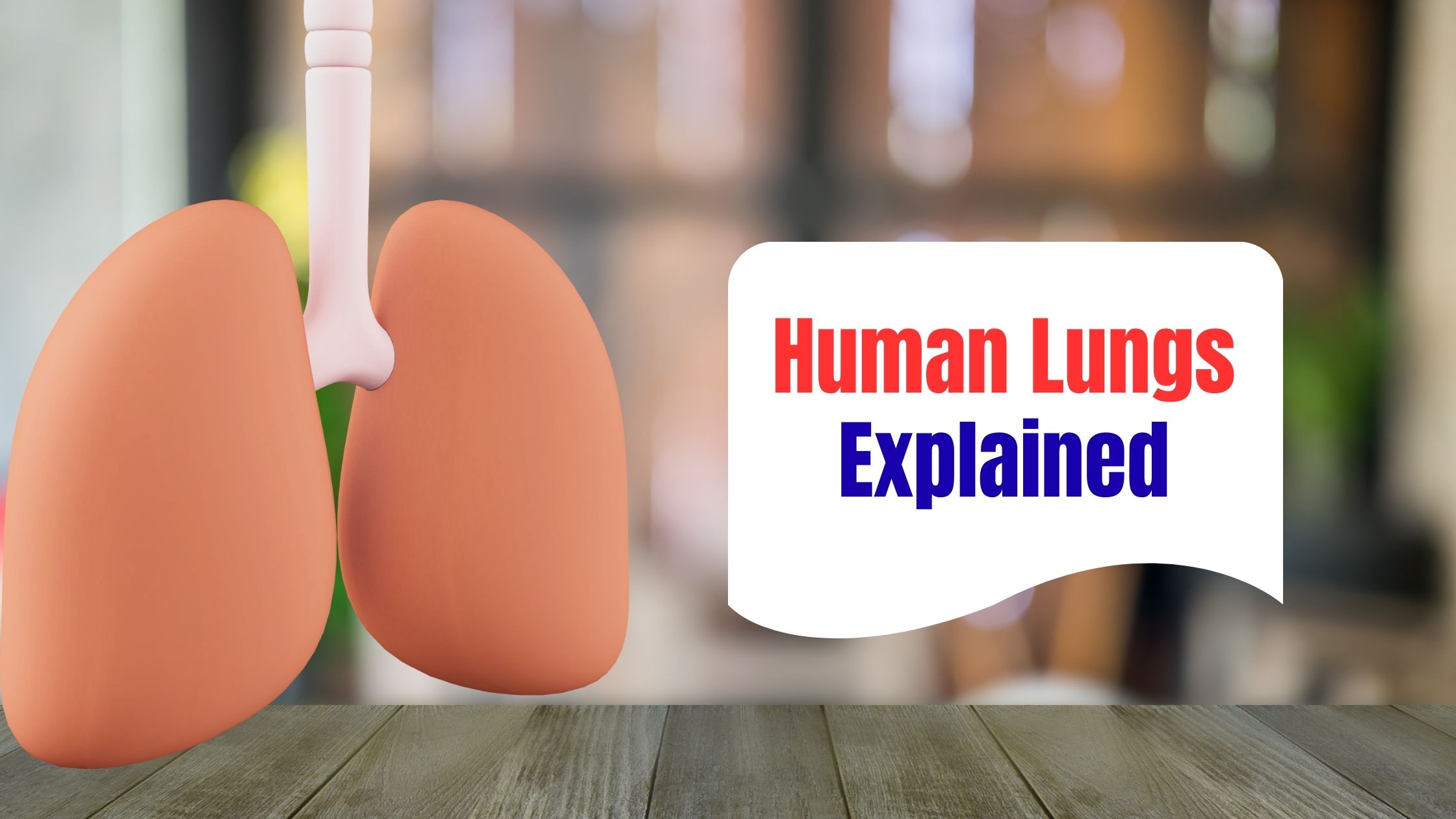
- Blood receives oxygen from the lungs
- Heart pumps blood throughout the body
- Cells use oxygen to produce energy.
- Blood then collects carbon dioxide and waste.
- Returns to the lungs and expels waste
Brief idea about blood group
Understand it simply: There are 3 terms here: Antigen, ABO Blood Group System and Rh Factor.
Antigen is some mark on the blood or mark on the RBC. This tells what the blood group will be. The ABO Blood Group System is the rule for dividing blood groups by looking at that mark and the Rh Factor determines whether that group will be positive (+) or negative (-).
If you write ABO Blood Group System and Rh Factor together, there are 8 blood types: A+, A-, B+, B-, AB+, AB-, O+, O-.
Common Diseases and Disorders of Human Blood
Blood disorders can be fatal to our body. Some of the problems are:
- Anemia — Decreased hemoglobin in the blood, resulting in weakness and dizziness.
- Thalassemia — The body does not produce normal RBCs, resulting in repeated blood transfusions.
- Sickle Cell Disease — RBCs become deformed, obstructing blood flow and causing pain.
- Leukemia — Abnormal WBC increases and normal blood cells decrease.
- Leukopenia — Decreased WBC weakens the body’s immune system.
- Thrombocytopenia — Decreased platelets cause easy bleeding.
- Hemophilia — Inability to clot blood, causing prolonged bleeding even with minor injuries.
- Sepsis — Infection spreads to the blood, causing a serious condition throughout the body.
- Polycythemia — Increased RBCs cause the blood to thicken and increase the risk of clotting.
Symptoms of an Unhealthy Blood
Some common symptoms of blood problems include:
- Feeling weak or tired all the time
- Dizziness
- Difficulty breathing
- Cold hands and feet
- Easy bleeding or slow bleeding
- Frequent illness (decreased immunity)
Causes and Risk Factors of Unhealthy Blood
Blood problems can be caused by many reasons, such as iron deficiency, vitamin B12 or folic acid deficiency, excess junk food, lack of physical activity, smoking, hereditary diseases, chronic diseases, people suffering from malnutrition, and even the elderly.
How to Keep Blood Healthy Naturally
Your lifestyle and eating habits have a direct impact on blood health. Here are some effective ways:
- Eat foods rich in iron (beans, peas, bananas)
- Take fruits (apples, pomegranates)
- Drink plenty of water
- Exercising every day improves blood circulation and keeps the body healthy.
- Good sleep helps to rebuild the body’s cells and improves blood quality.
- Eat foods that are rich in vitamin C
- Eat basil leaves
- Drink lemon juice and water.
- It is recommended to quit smoking.
- Avoid eating too much junk food
- Don’t eat too much sugar
Things to Know
- The normal pH of human blood is 7.35-7.45.
- An adult human body contains about 4.5-5.5 liters of blood.
- The heart pumps about 7,000 liters of blood a day.
- Red blood cells live about 120 days.
- Platelet life is about 7-10 days, while white blood cell life is a few hours to a few days
- White blood cells protect our body from numerous germs every day.
- Blood flows through about 60,000 miles of blood vessels in the body
- Blood group is determined by heredity.
Conclusion
Every day, new blood is produced in our body and old blood is destroyed. Each component has a different and very important function. This component of the circulatory system travels throughout the body and performs one of the main duties.
Caution: This information is shared for general awareness and educational purposes. Everyone’s body is different, so if you have ongoing concerns, it’s always a good idea to consult a healthcare professional. Use this information mindfully.