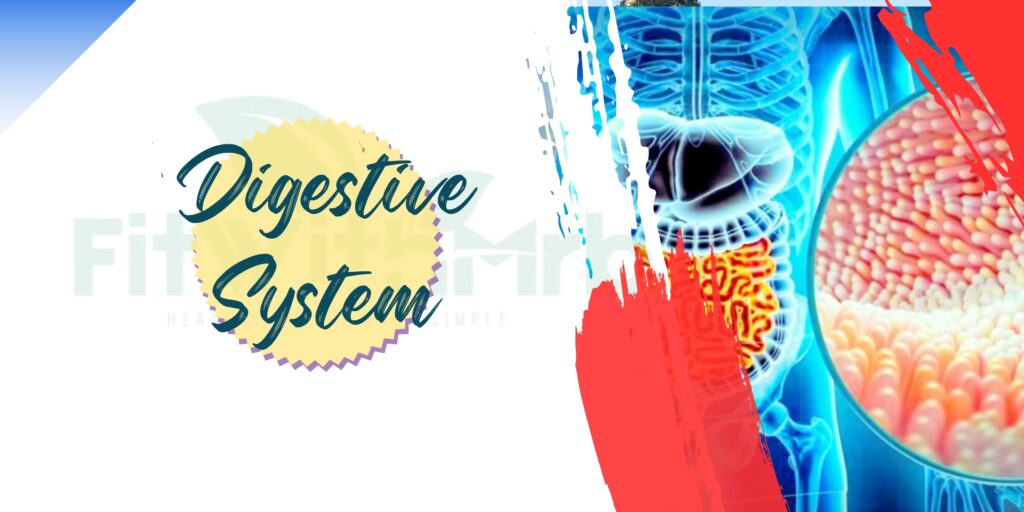
The digestive system is an important system among the various organ systems of humans. The entire process of digestion takes place here and the entire process of absorbing energy and nutrients from what we eat is done through this system. If this system does not work properly, various physical problems can occur. Disturbance in its functioning causes physical problems as well as mental health issues. So it is very important to keep this organ system healthy.
Definition
The digestive system is the system of our body, which digests what we eat and helps the body to get the necessary nutrients. The entire process from mouth to defecation takes place through this system. If it does not go well, many problems occur in the body.
The main organs of the digestive system
Here is the major digestive system organs:
1. Mouth: The digestive process starts in our mouth, where saliva softens or breaks down the food.
2. Esophagus: It is like a tube. Through this, food enters the stomach.
3. Stomach: Food in the stomach breaks down protein from food with other acids like hydrochloric acid and enzymes like pepsin, and also, a gel-like substance called mucus forms a protective layer on the walls of the stomach, which prevents damage to the stomach from various acids.
4. Liver: Food slowly passes from the stomach to the small intestine. In this case, the liver produces bile, which helps in the digestion of fats.
5. Gallbladder: Our gallbladder stores bile produced by the liver and releases it into the small intestine when we eat fatty foods.
6. Pancreas: It secretes enzymes into the small intestine to digest carbohydrates, proteins, fats, etc.
7. Small Intestine: The small intestine absorbs adequate nutrients from food and completes the digestion process.
8. Colon: The colon absorbs other fluids, including water and stores waste.
9. Rectum: The rectum is the end of the large intestine where stool or waste is stored.
10. Anus: An orifice present in the lower part of the rectum. This is where the stool leaves the body.
How it works
Food intake → Digestion → Absorption → Assimilation → Waste removal
Symptoms
Digestive system problems can be done with many symptoms, below are some symptoms of poor digestion:
- Stomach gas
- Digestive problems
- Heartburn
- Abdominal pain
- Nausea
- Constipation
- Diarrhea
- Aversion to food
Common digestive system diseases and disorders
1. Acidity:
Many times on an empty stomach or eating oily and spicy food irritates the chest, and acid builds up. These are symptoms of acidity.
2. Indigestion:
After eating, the stomach feels heavy, with belching, and sometimes nausea. It should be understood that there is a disturbance in digestion.
3. Gas and bloating:
Many times after eating, the stomach feels bloated, uncomfortable – these can be due to gas or flatulence.
4. Ulcer:
When there is a wound or sores in the stomach, it is called an ulcer. Symptoms may include pain, burning, or belching on an empty stomach.
5. Fatty liver:
Nowadays, many people are suffering from this problem. Accumulation of excess fat in the liver causes fatty liver.
6. Gallstones:
It happens when the bile juice from the liver accumulates and hardens, then gallstones form.
7. IBS (irritable bowel syndrome):
In this problem, diarrhea, constipation, and sometimes stomach pain arise.
8. Constipation: (source)
When bowel movements are not regular or the stool becomes hard, it should be understood that it is a problem of constipation.
9. Diarrhea:
An upset stomach causes frequent loose stools and can make the body weak. This problem occurs as a result of contaminated water or food.
Cause of problems
- Irregular eating habits,
- Eating fast food, junk food, high oil, and spicy food,
- Consume less water/dehydration,
- Stress or depression has a negative effect on the digestive system,
- Lack of exercise also affects digestion
- Smoking, alcohol consumption
- Drinking contaminated water
- Over-medication
- Eating late at night and going to bed immediately after eating
- Drinking tea on an empty stomach or drinking too much tea.
Natural remedies for healthy digestion
- Drink water 30 minutes before meals. Avoid drinking too much water while eating.
- Eat slowly, chew well and concentrate instead of eating fast.
- Vegetables, fruits, oats are digestive aids and good for the digestive system.
- Drink water slowly while sitting, not standing
- Have a light meal at night and go to sleep at least one and a half to two hours after the meal
- Drink lukewarm water or lukewarm water mixed with lemon rather than drinking tea on an empty stomach.
- Exercise regularly
- Reduce stress with these practices of meditation, reading, and adequate sleep.
- Avert dishes that are too spicy.
Did you know?
- You produce about 1.5 liters of saliva a day.
- The stomach is called our second brain.
- The length of the short end can be up to about 22 feet.
- 70 percent of your immune system comes from your digestive system.
- The liver is the only organ in the human body that can completely regenerate itself, even if only 25% is left.
- Our liver performs more than 500 functions simultaneously.
Conclusion
In the end, it goes without saying that the digestive system is one of the most important organs in our body. So if we want to be healthy, we must keep this organ healthy. It also plays a special role in our body’s energy production. So, develop proper habits to keep the digestive system healthy, and you will see that both body and mind will be good.
Caution: This information is shared for general awareness and educational purposes. Everyone’s body is different, so if you have ongoing concerns, it’s always a good idea to consult a healthcare professional. Use this information mindfully.